
杀害班花逃15年
PLA Navy's first-batch female shipborne pilot trainees pass daytime landing qualification tests, signaling mature pilot training system: expert_我的网站

一 |
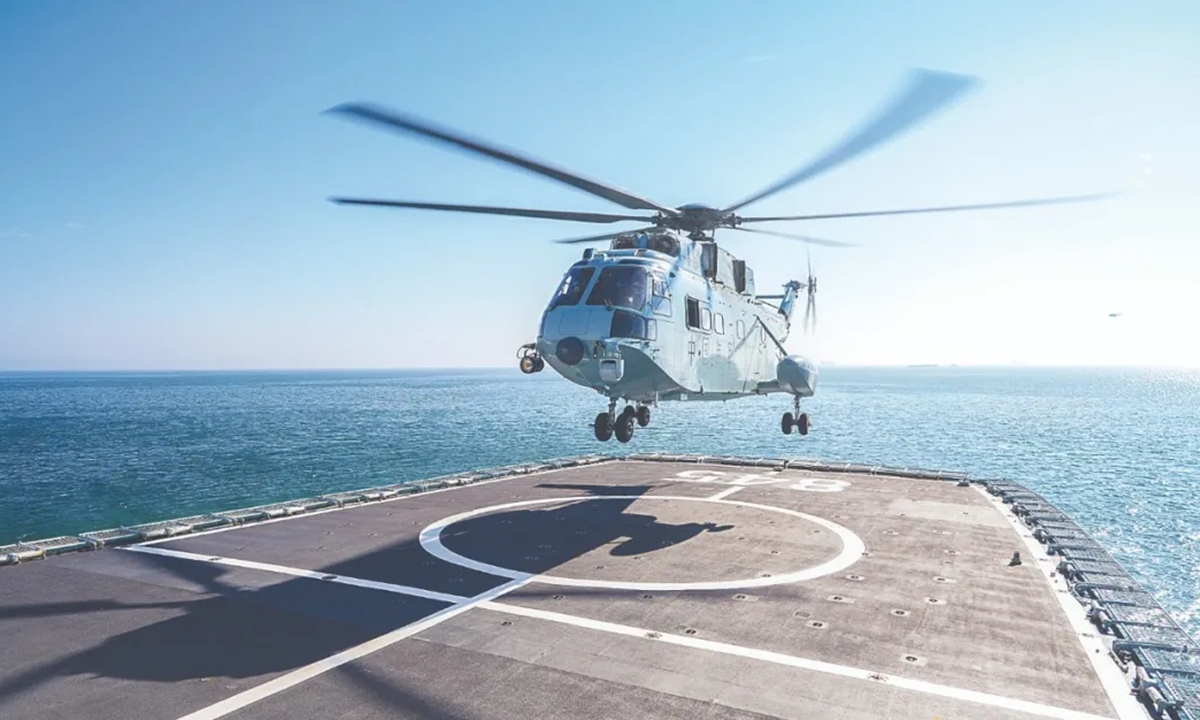
The progress of female pilot training is an important indicator of the maturity and systemization of the shipborne aviation talent selection and training system, a military affairs expert said. Smears by some foreign media about China's pilot training capabilities are, in essence, a projection of the West's own anxieties over talent shortages, the expert added.
"Night landings are tougher than I imagined. The entire sea is pitch black. It's hard to tell where the sea ends and the sky begins. It's very easy to become disoriented," said Han Meng, a female trainee pilot at the Naval Aviation University, in the CCTV News video.
"Completing today's landing mission has given me a clearer understanding of my own abilities. I'm about to graduate, and I feel more confident about heading to my post and carrying out various maritime and far-sea missions I'll be assigned," she added.
The CCTV News report showed that the assessment featured a Z-8 helicopter landing on the aft flight deck of a vessel.
CCTV reported on Friday that the first batch of female shipborne pilot trainees had all recently passed their daytime shipborne landing qualification assessments. Shipborne landing is a critical milestone in a shipborne pilot's development, often described as the "certificate" to real naval aviation. Passing this assessment marks a significant step in the PLA Navy's efforts to cultivate female shipborne aviation talent.
All pilot trainees, regardless of gender, must meet the same rigorous physical and psychological standards required for shipborne aviation. The successful qualification of these female trainees demonstrates that the selection and training systems are capable of identifying and developing top-tier talent based on capability, not gender, Zhang Junshe, a Chinese military affairs expert, told the Global Times on Sunday.
In recent years, the PLA Navy's shipborne aviation talent development has entered a new phase of system-of-systems operations, transitioning from "able to fly and land on ships" to "able to fight and operate jointly," PLA Daily reported on April 22.
Under the synchronized training objectives of developing pilots, combatants and commanders, new pathways for talent cultivation are being explored, including growth opportunities for shipborne fighter and helicopter pilots. Training programs are being optimized across all elements, support resources coordinated across all domains, and implementation advanced across all processes, forming a systematic, integrated talent development framework.
Zhang also mentioned that foreign media outlets have hyped claims of a "pilot shortage" in China or that "talent development cannot keep pace with equipment delivery." Such claims are largely based on selective data comparisons and misunderstandings of China's aviation development, essentially reflecting the West's own anxieties about talent.
First, foreign media outlets often simply compare the total number of licensed pilots in China with that of the US, ignoring differences in population size, the prevalence of aviation culture and historical development. China's nationwide selection process draws from a vast pool of candidates, ensuring high overall pilot quality and building a strong reserve of aviation talent, Zhang noted.
In July, the PLA Navy's 2026 pilot recruitment process was successfully completed. The average college entrance examination scores of admitted pilot trainees reached a record high. In recent years, through extensive outreach and publicity campaigns, enthusiasm among young applicants has continued to grow, with the recruitment pool expanding year by year.
The Navy's recruitment authorities have established carrier-based flight aptitude assessment platforms, introduced new testing technologies including virtual reality and biofeedback, and improved the comprehensiveness and accuracy of flight aptitude evaluations, said the PLA Navy.
Meanwhile, China has established a diversified training system encompassing academy training, airline-commissioned training and civilian supplementary pathways. Through general aviation development, China is expanding its civilian talent reserve and gradually narrowing the gap with leading aviation nations, the expert said.
Moreover, modern air warfare is a complex system undertaking, relying not only on the number of pilots but also on comprehensive system-of-systems support across strategic early warning, electronic warfare, command communications and ground maintenance. The leapfrog development of China's aviation equipment is built on overall improvements in comprehensive national strength and the aviation industrial system, rather than a simple linear increase in pilot numbers, Zhang added.
。

二 | 2022年至2024年,其在华销量逐年回落至193.6万辆、188万辆、178万辆,连续三年销量缩水,倒逼品牌加速推进电动化转型。2022年4月,丰田正式在国内开启纯电布局,联合广汽、一汽推出bZ4X。这套源自海外的产品命名逻辑在国内市场水土不服,被消费者调侃为“验证码”。

三 |
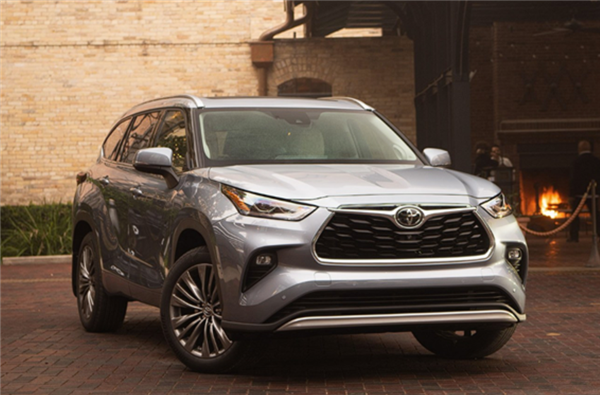 更核心的矛盾来自产品本身,bZ4X基于油电共用的e‑TNGA平台打造,并非原生纯电架构,空间表现、平台拓展能力存在先天短板,不支持高压快充与长续航电池等主流纯电配置,起售价却高达19.98万元。不合理的产品定位让bZ4X遭遇市场滑铁卢。2023年一季度,广汽丰田bZ4X三个月累计销量不足2000辆。进入2024年,该车月销长期停留在三位数,最低月份仅卖出60台,在高速扩张的新能源市场几乎毫无竞争力。产品失利根源在于集团战略摇摆,丰田一方面认为纯电存在炒作成分,固守混动优势,另一方面又被迫对外公布激进电动化目标,以跟随者姿态观望行业,最终错过了国内电动化发展窗口期。丰田新任社长佐藤恒治也曾公开承认,品牌在纯电车型开发上已经失败。惨痛的市场教训推动丰田变革在华研发体系,中日双方达成共识,不再依靠全球车型简单本土化改造应付中国市场,由此诞生RCE中国首席工程师体制,丰田首次将整车开发主导权交给中国团队,广汽丰田本土成长的柳文斌出任首任中国首席工程师。

四 |
 团队耗费三个月走访全国开展用户调研,从车机系统、内饰用料到智驾、充电场景,全部按照国内用户实际需求重新梳理。率先亮相的铂智4X只是过渡产品,仅是bZ4X的改款换名版本,核心硬件架构没有改动,主要用来为全新车型争取研发周期。2025年3月,真正由中方主导开发的铂智3X正式上市,指导价10.98‑15.98万元。

五 | 该车从立项、设计到配置标定全程由国内团队把控,无需日本总部审批确认,市场响应效率大幅提升。团队精准捕捉行业趋势,将高阶智驾下放至520km续航版本,完成1200多个总成、600余项零部件的快速调整。同时车型本土供应商占比达65%,率先在15万级车型下放激光雷达,精准适配二三线城市燃油车置换家庭用户,成为丰田本土化电动转型的核心突破。

Current article:http://hottq0c.zongchaeiwengshuabaisisuofu.sbs/aq40/20260826/698783.html
Published on:18:59:30